B.A. Product Design
FH Aachen University of Applied Sciences
2023 — Present
✦ Selected Works
A product design student with a strong technical foundation — and a habit of looking for the alternative path.

Hi
A product design student with a strong technical foundation and a habit of looking for the alternative path.
I work solution-oriented. I take complex systems apart, simplify them step by step, and look for the approach no one expected.
A solid understanding of how things are built — and how they actually work.
Breaking complex systems into steps until the whole becomes clear.
An affinity for the solutions other people tend to overlook.
FH Aachen University of Applied Sciences
2023 — Present
Transferred
Part-time · KettnerKonzept
04/2023 — 10/2025
Operation, maintenance & supervision
10/2024 — Present
Lounge Chair · Structure × Emotion
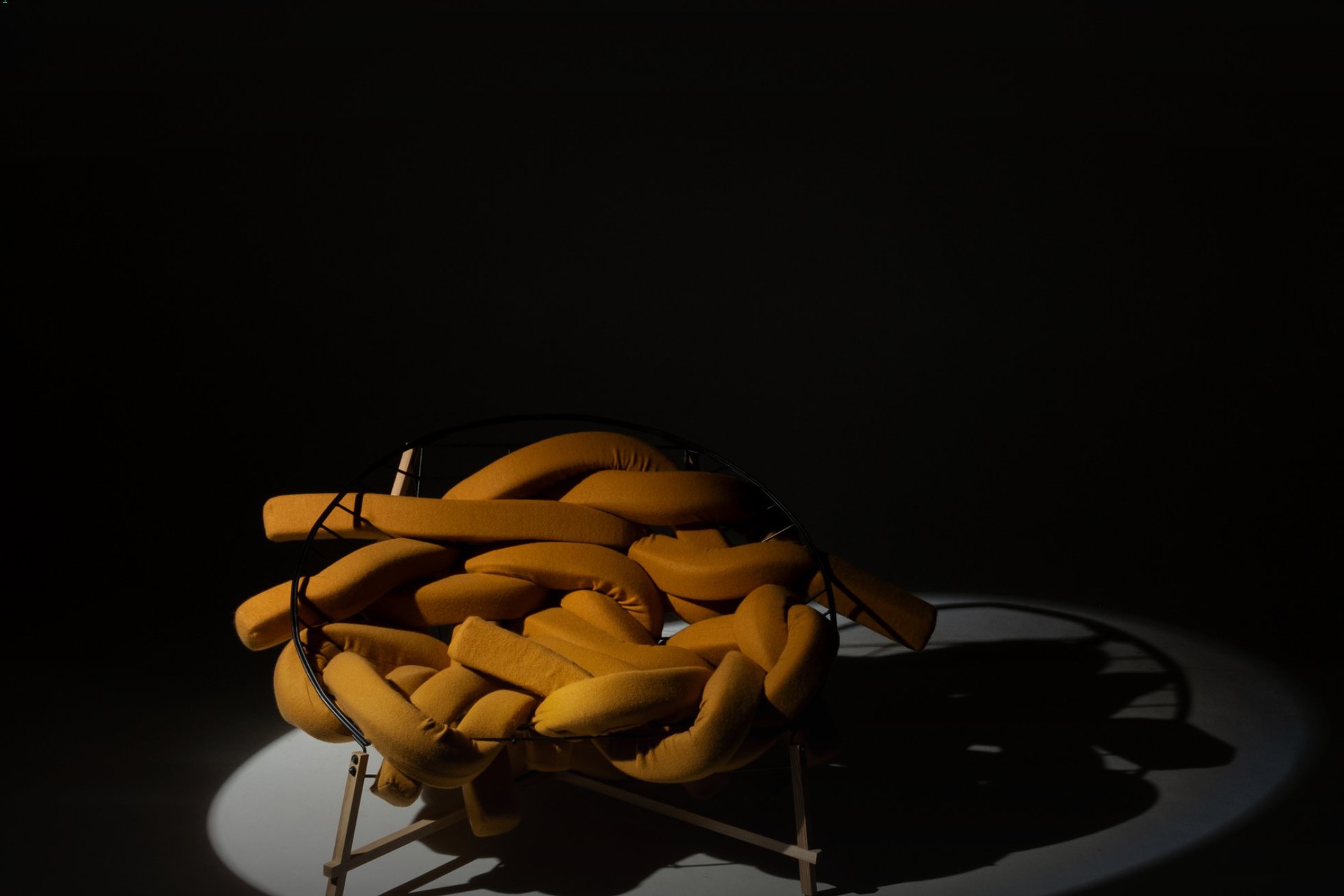
A geometric lounge chair that bridges cool materiality and the carefree lightness of childhood — designed, engineered and built entirely by hand.

WIG explores the contrast between cool materiality and an emotional, playful form language. The goal: a functional object that builds a direct bridge to the lightness of childhood.
Its driving image — the centrifugal feeling of a circle swing.
A system first, then intuition — a self-built category system that breaks furniture design into defined dimensions, producing one guiding code. Explored across media: hand sketches → 3D & VR → wire models.
Getting the geometry right meant learning TIG welding (WIG) from scratch — no shortcuts, just 168 seams of trial and error.
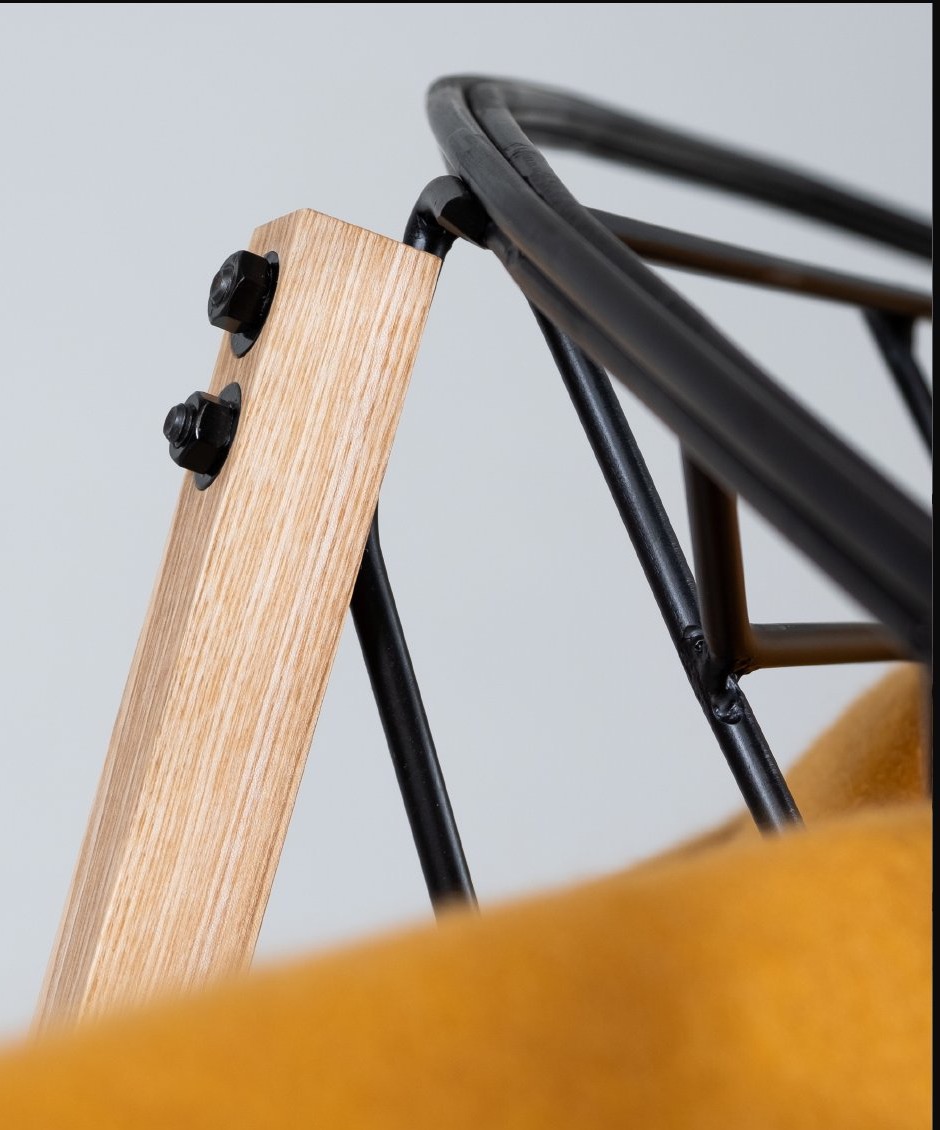

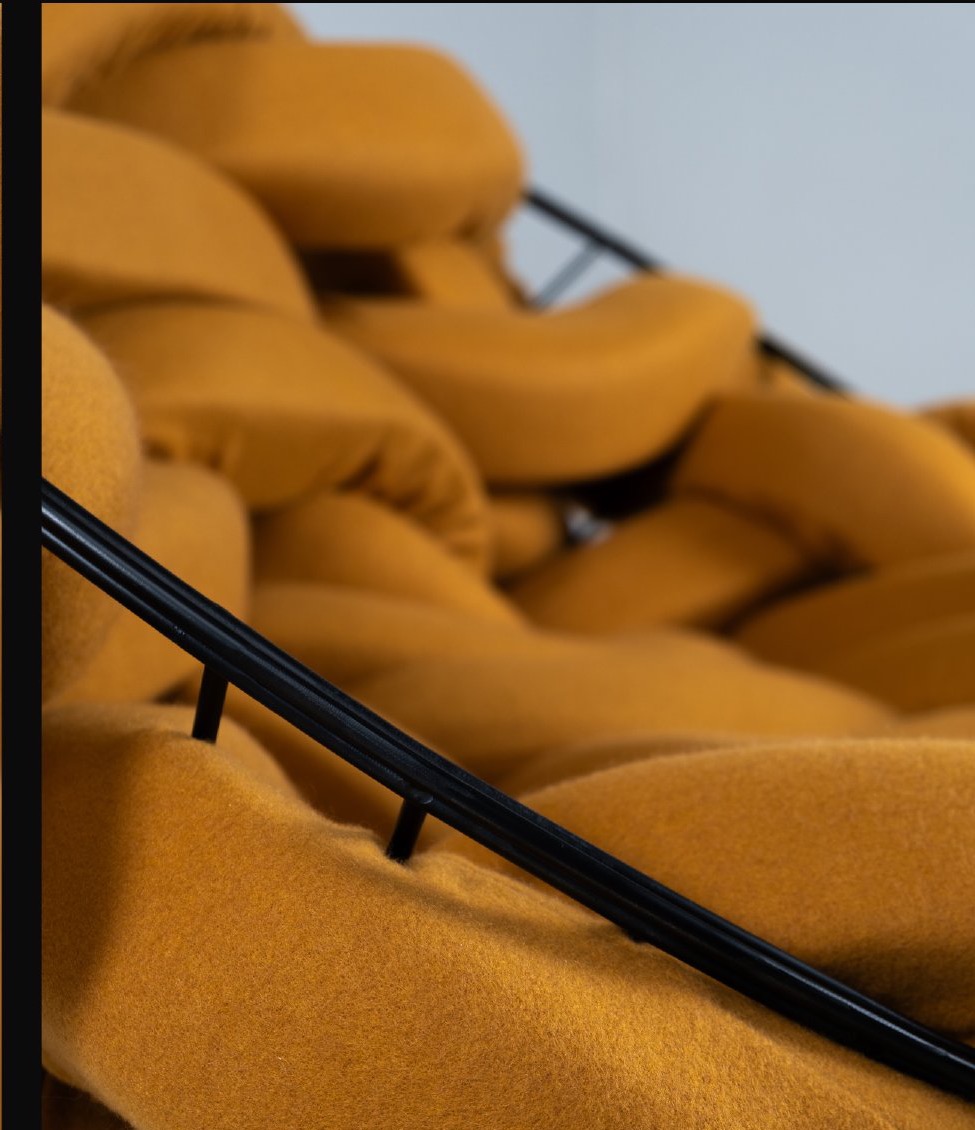
The strict steel grid meets an organic, hand-sewn upholstery of fabric tubes — the playful counterpoint that makes WIG a living object. It stands for how I work: methodical concept, joy in experimental prototyping, and the craft ambition to realise an idea without compromise.
Modular System · Public Space
A modular seating and play system for the urban realm — conceived as an open platform for use, interaction and appropriation rather than a finished object.
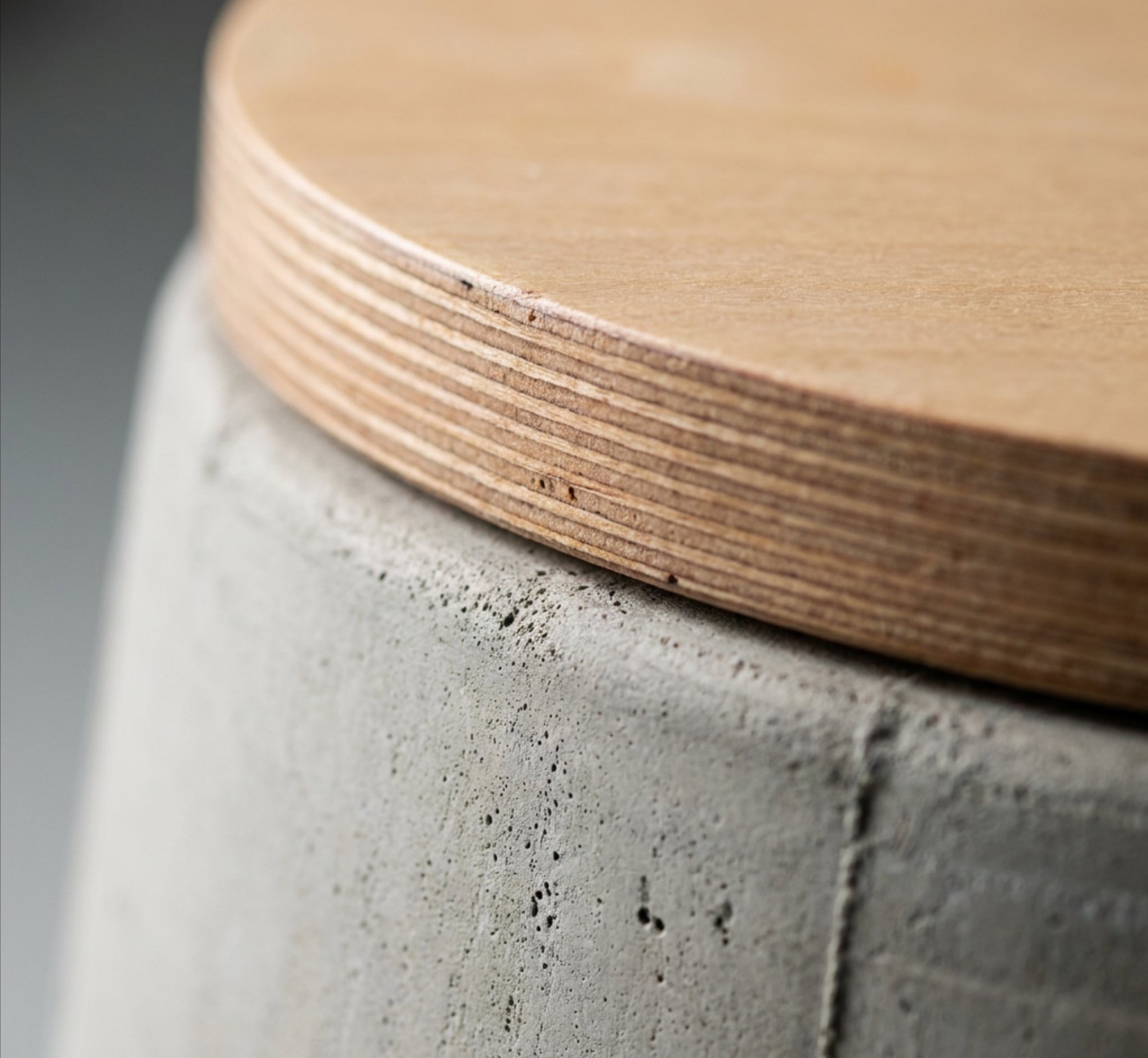
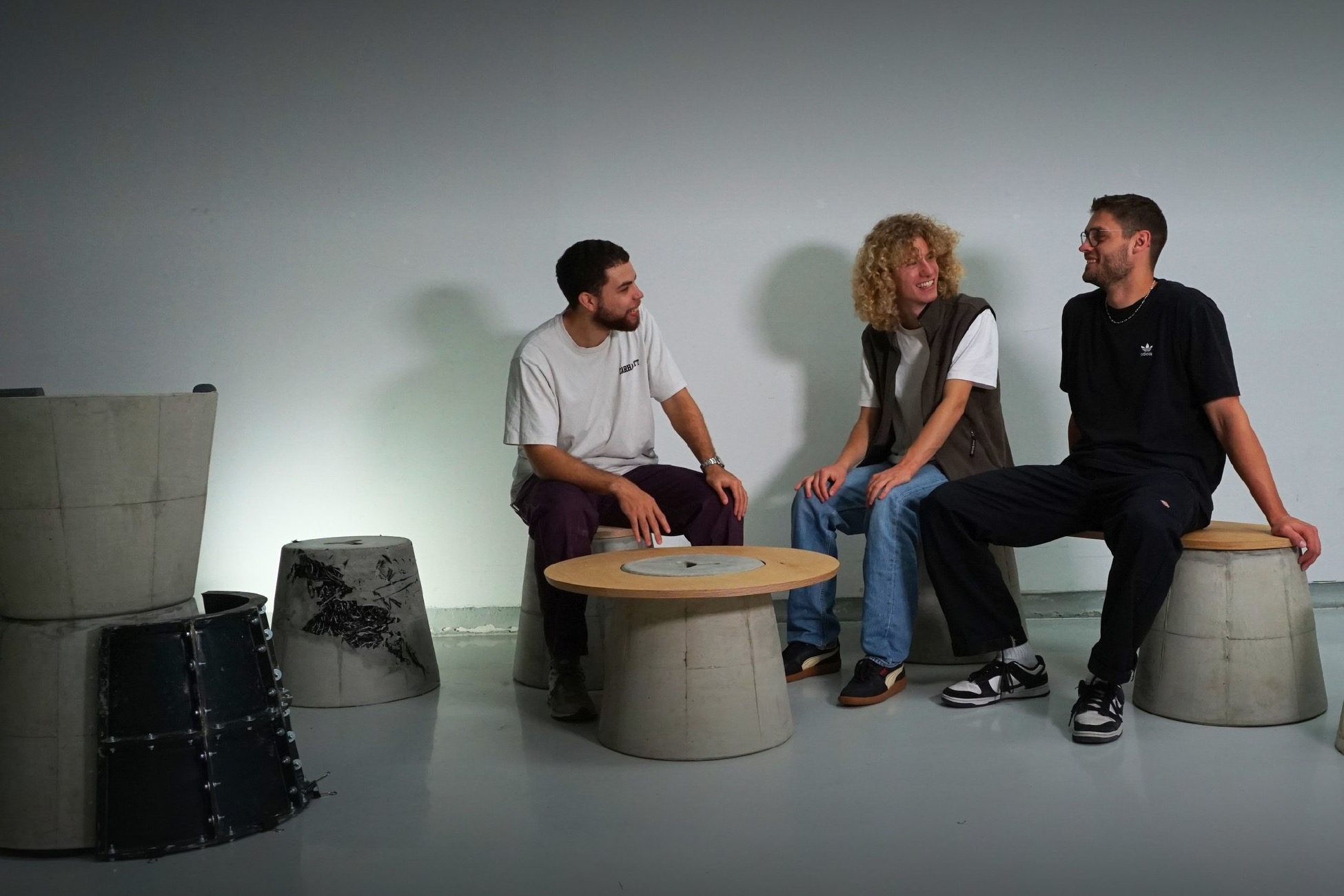
Built from carbon-reinforced concrete, CeeBee is a modular system for public space — open enough to work in countless configurations and let people shape it together.
It shifts the focus from consumption to active use and design.
Each module is a truncated cone cast at just 18 mm wall thickness — light, yet highly load-bearing for intensive use in public space. Digital fabrication meets a material-appropriate mould: a deliberately placed silicone interface turns a complex cast into a reproducible one, keeping the formwork fully reusable.
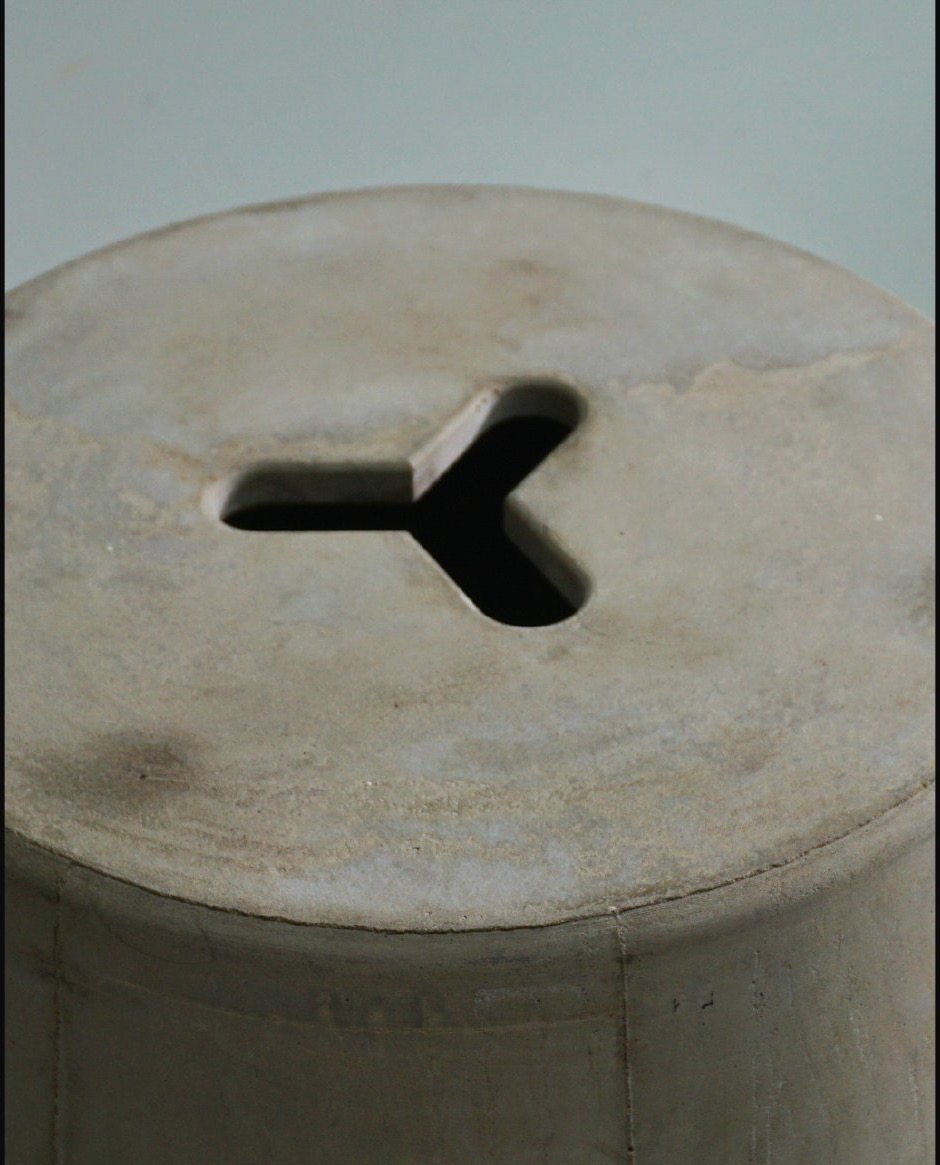
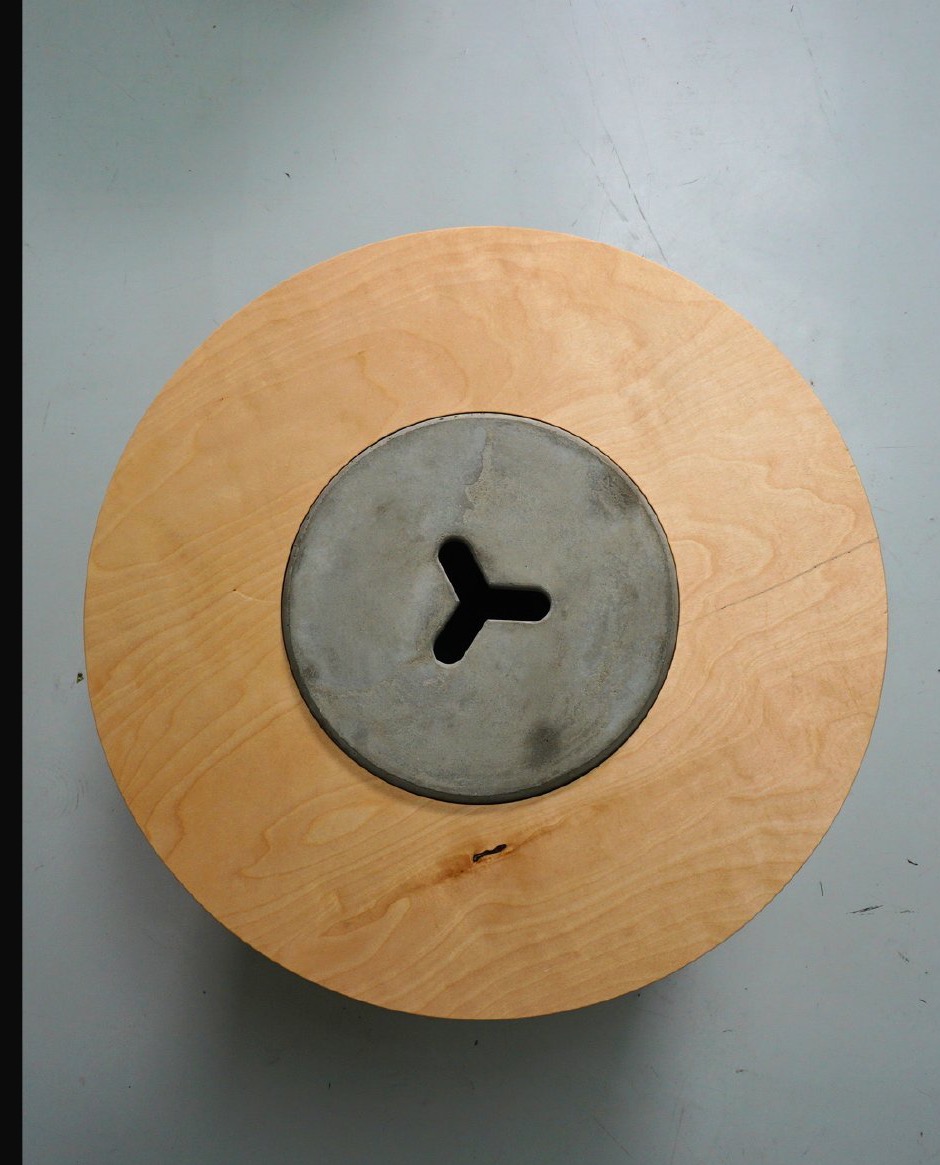
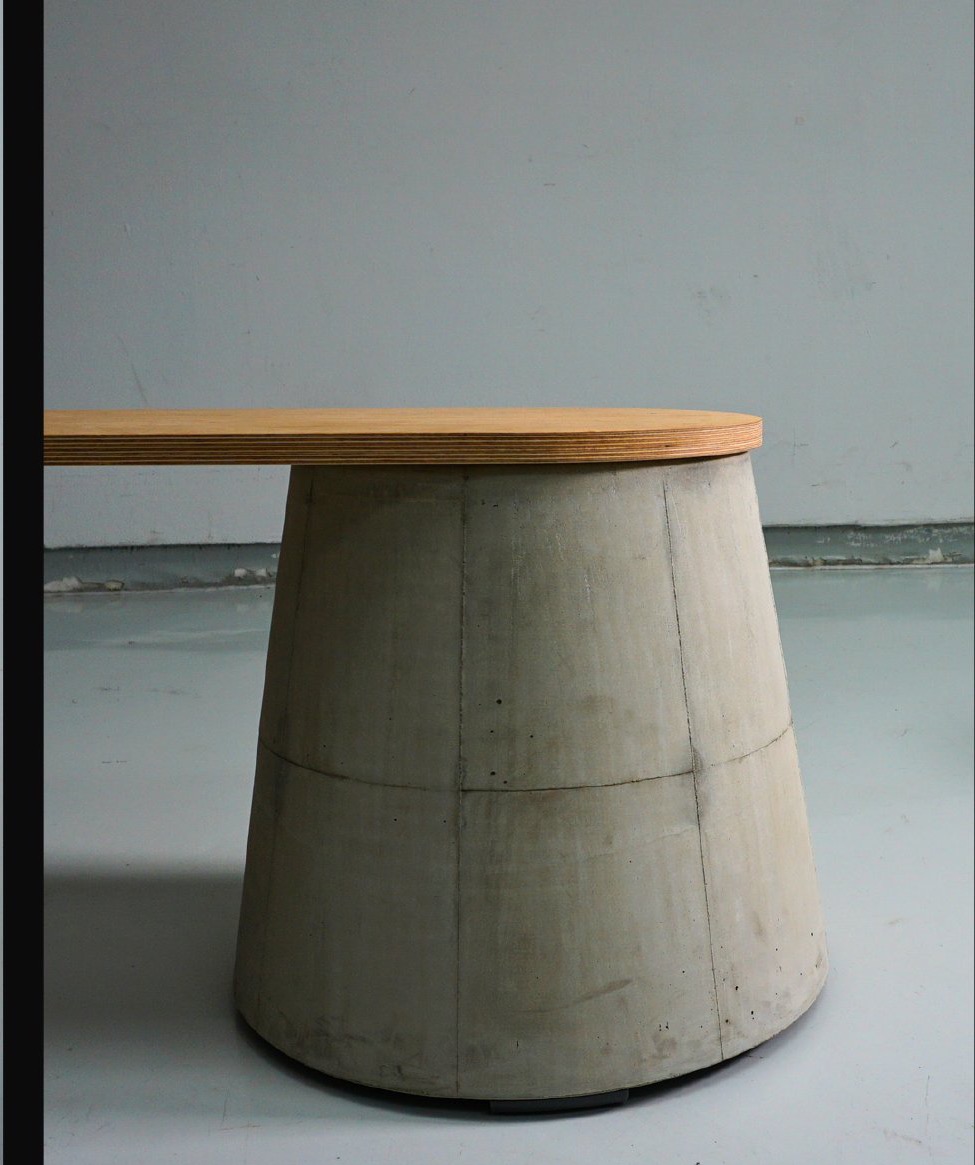
Realised as a pre-series and tested in public space at the Katschhof in Aachen — where children combined modules, built their own structures and invented new ways to play. The interface on top and the conical clamp connection on the outside can be used independently — and each stool works just as well as a standalone object.
Hall-Effect Keyboard · Concrete × Acryl
A speculative input device built in seven weeks — pairing contactless Hall-effect sensing with MIDI to turn everyday typing into a continuous stream of position data.
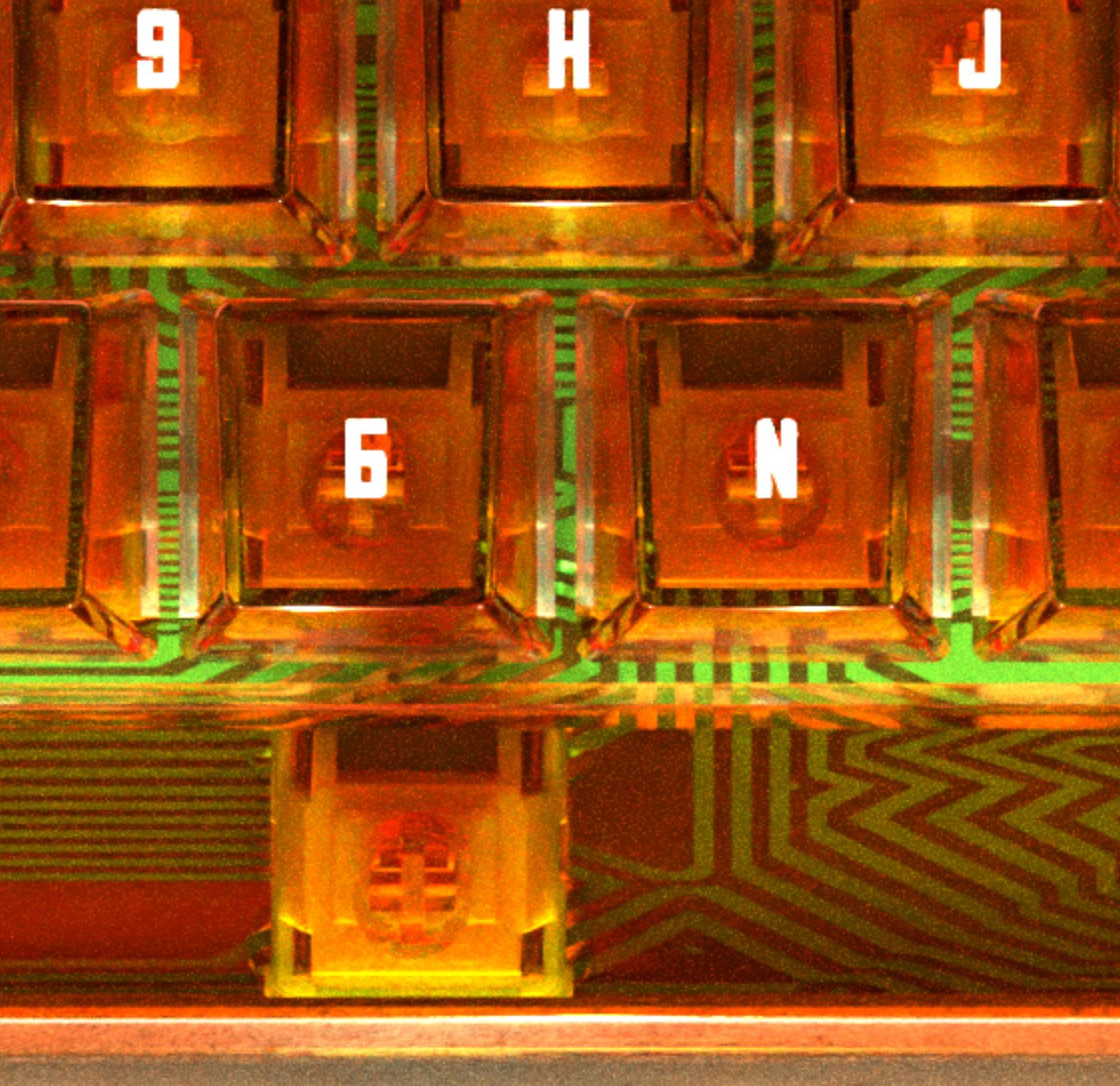
BRUT doesn't chase an incremental keyboard improvement. It explores the intersection of Hall-effect sensing and MIDI — and asks a single, guiding question.
What new scenarios emerge when we pair precise position data with real-time protocols?
The moodboard draws on a post-apocalyptic mood — abandoned control rooms, weathered concrete, technology stripped down to its function. Heavy, direct, uncompromising.
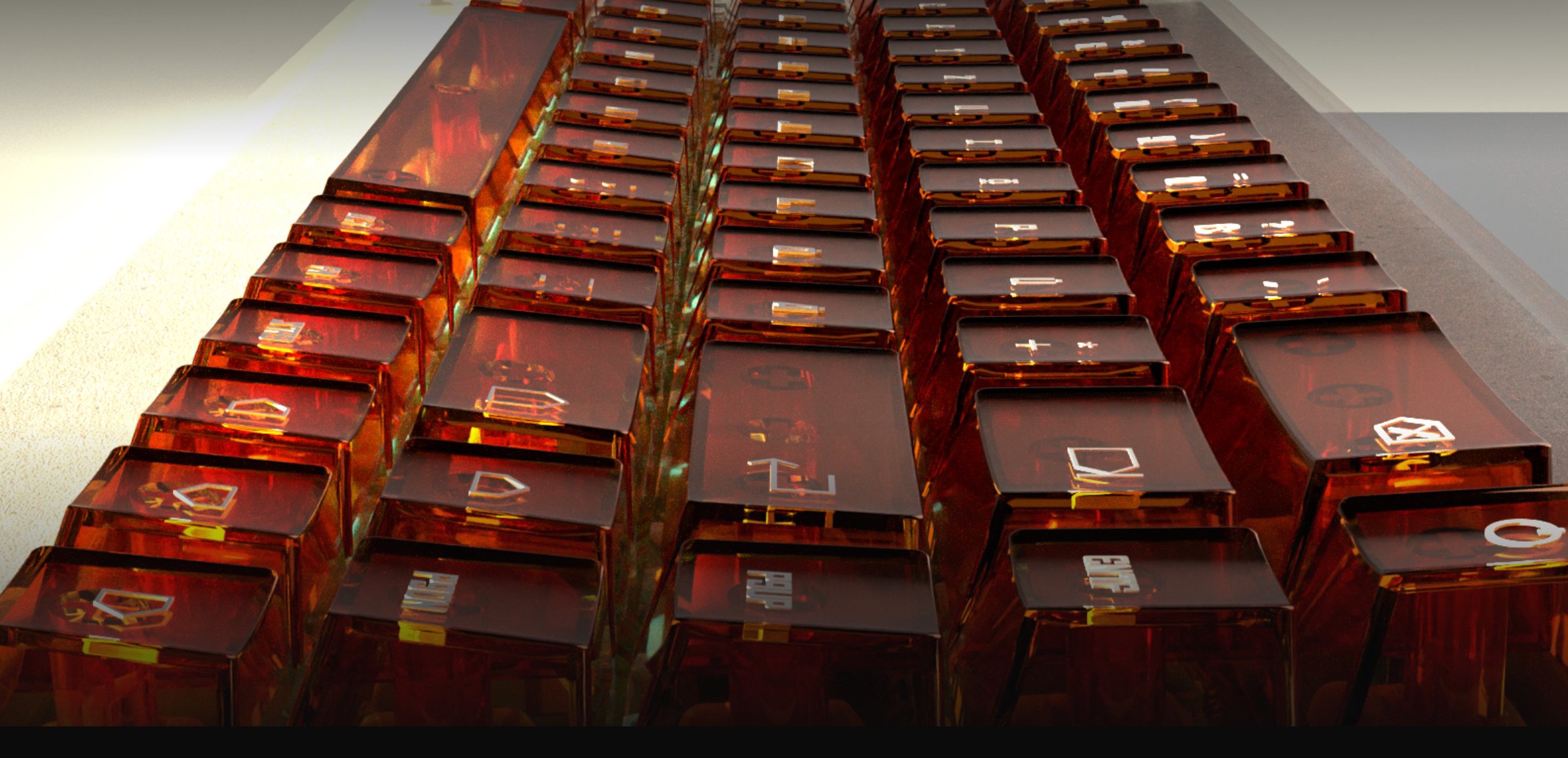
Hall-effect sensors read motion and the finest key movements without contact. A MIDI interface translates that continuous position into real-time signals.
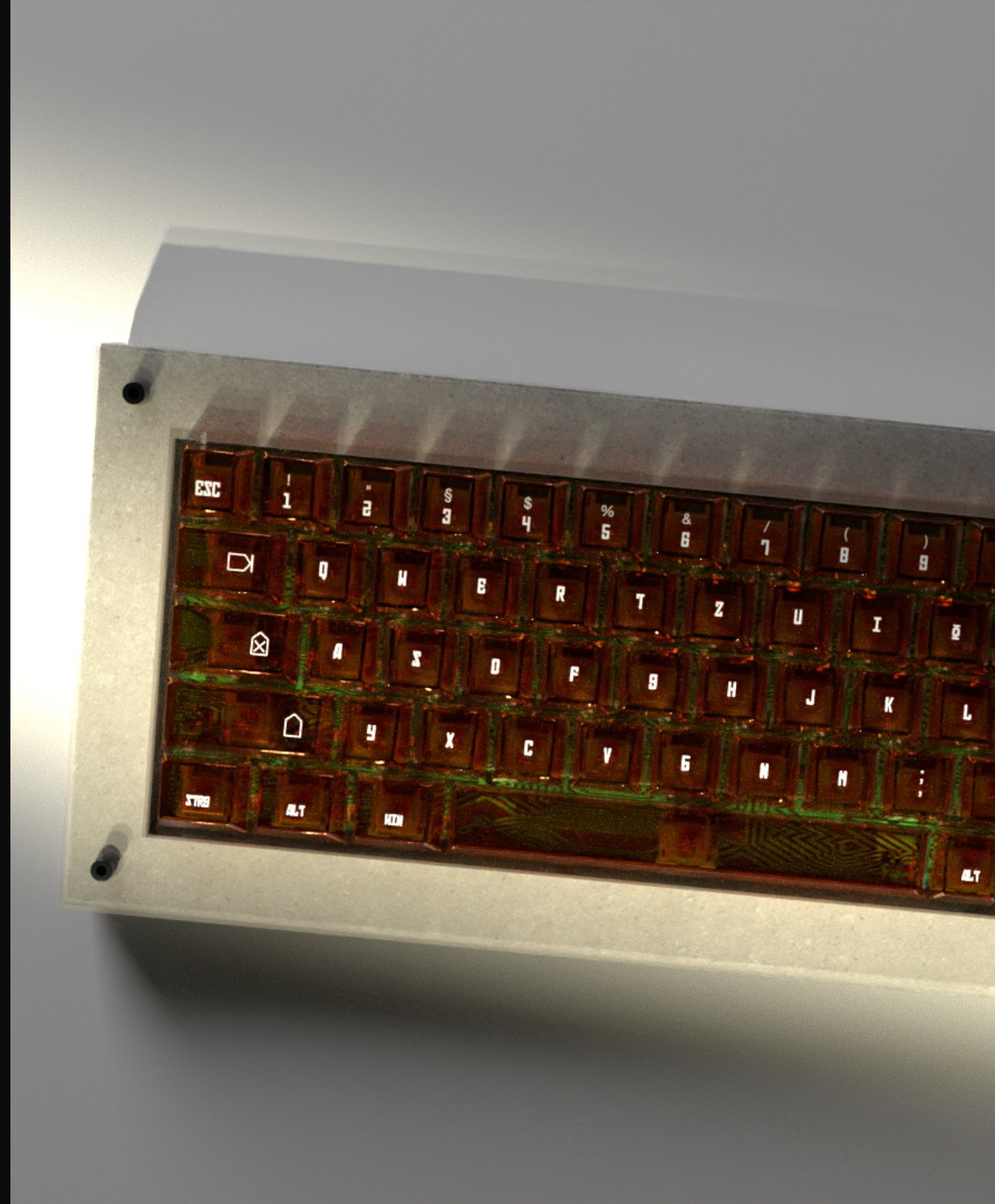
A concrete body lends mass, stability and a raw, brutalist haptic — and demanded custom formwork and casting. A milky acrylic plate, precisely seated above it, adds visual lightness and softly diffuses the light. Not plastic → not aluminium → cast concrete.
Beyond the object: a passive neuromuscular tracker. During ordinary typing, BRUT reads the finest movement patterns — micro-tremors — in the background, like a wearable for the hands. A functional prototype pointing toward a new typology of everyday interfaces.
Contactless Dispenser · Contact-Lens Solution
A contactless dispenser for contact-lens solution. It removes the needless contact between an unwashed bottle and the sensitive eye — no rethinking, no extra effort. A quiet improvement to an everyday routine.
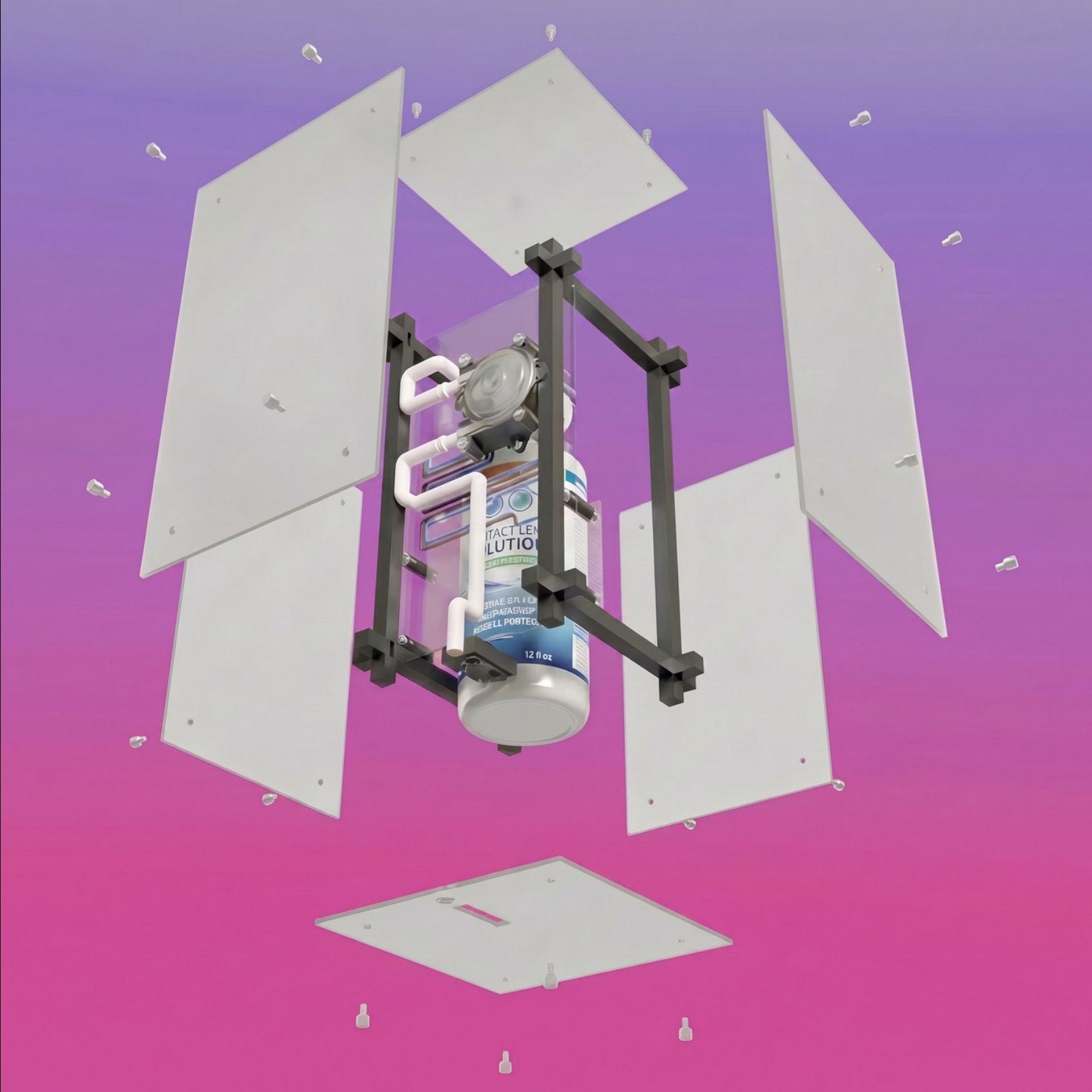
The work had to make sense beyond itself. Rather than inventing another disposable consumer product, the goal was something that genuinely makes life easier for specific people — here, contact-lens wearers, in a small but daily moment of their routine.
Purpose first. The technology had to serve a real need — not the other way around.
A structured, iterative process following the double diamond — open exploration narrowed into one direction, then carried through a second loop of decisions into a buildable form.
Survey possible fields of application.
Commit to one clear use-case.
Remove physical touch entirely.
Strip away everything non-essential.
Bring it into a buildable form.
"What is really necessary for the product to work without a single word of explanation?"
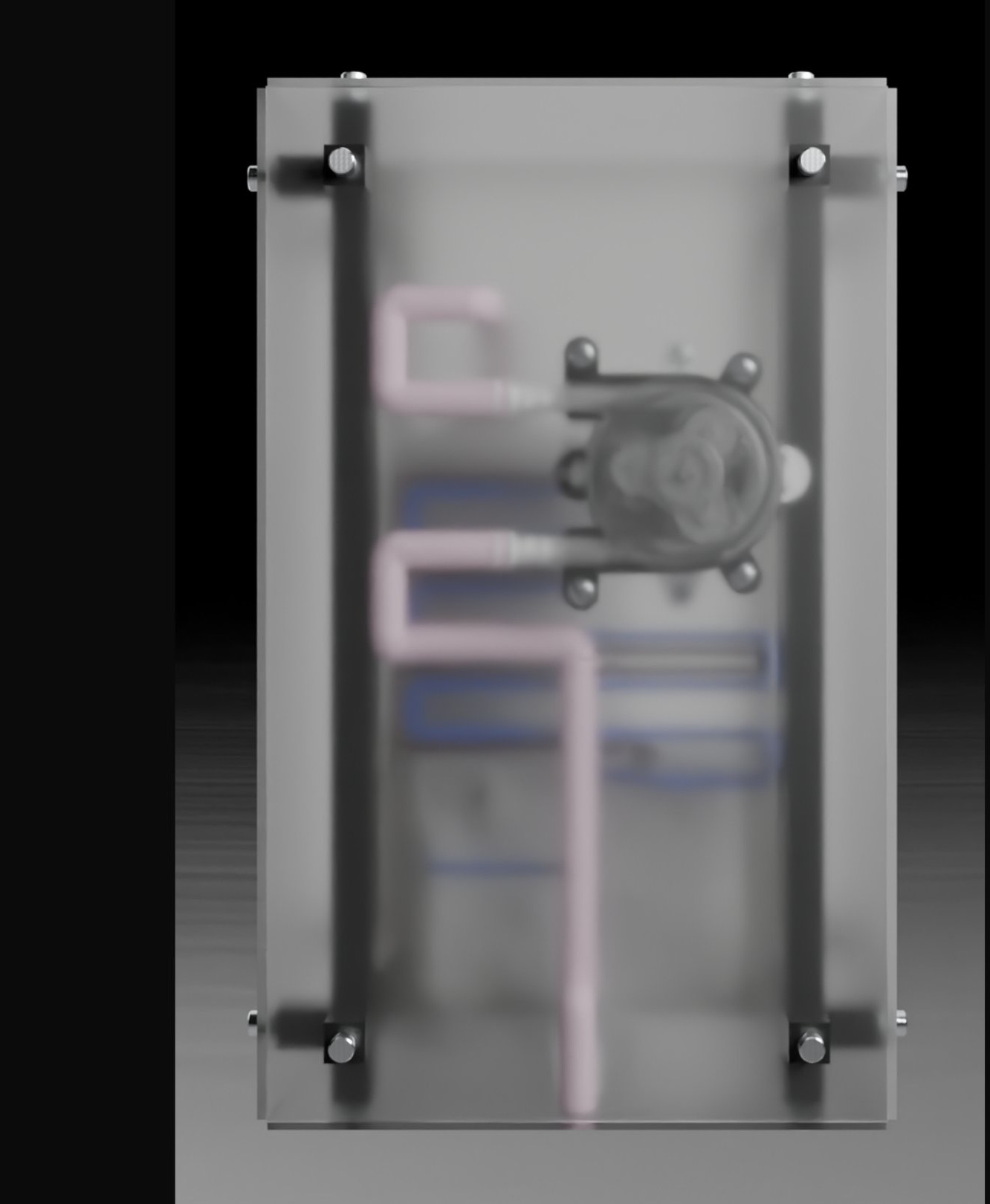
Quality didn't come from adding more. It came from the disciplined removal of options down to the relevant core. Clarity and restraint define the outer form — inner structure is hinted at, never hidden. Trust isn't staged, it's earned through consistency.
Trend Intelligence · Self-built Tool
A trend-intelligence tool, designed and built for personal use. Vibecoding as a self-taught practice — a way to turn a personal need into a working product, and a skill that quietly sharpens the underlying design process.
Model access & prototyping
Vibecoding the build, end to end
Global news-volume data
Search-interest signals
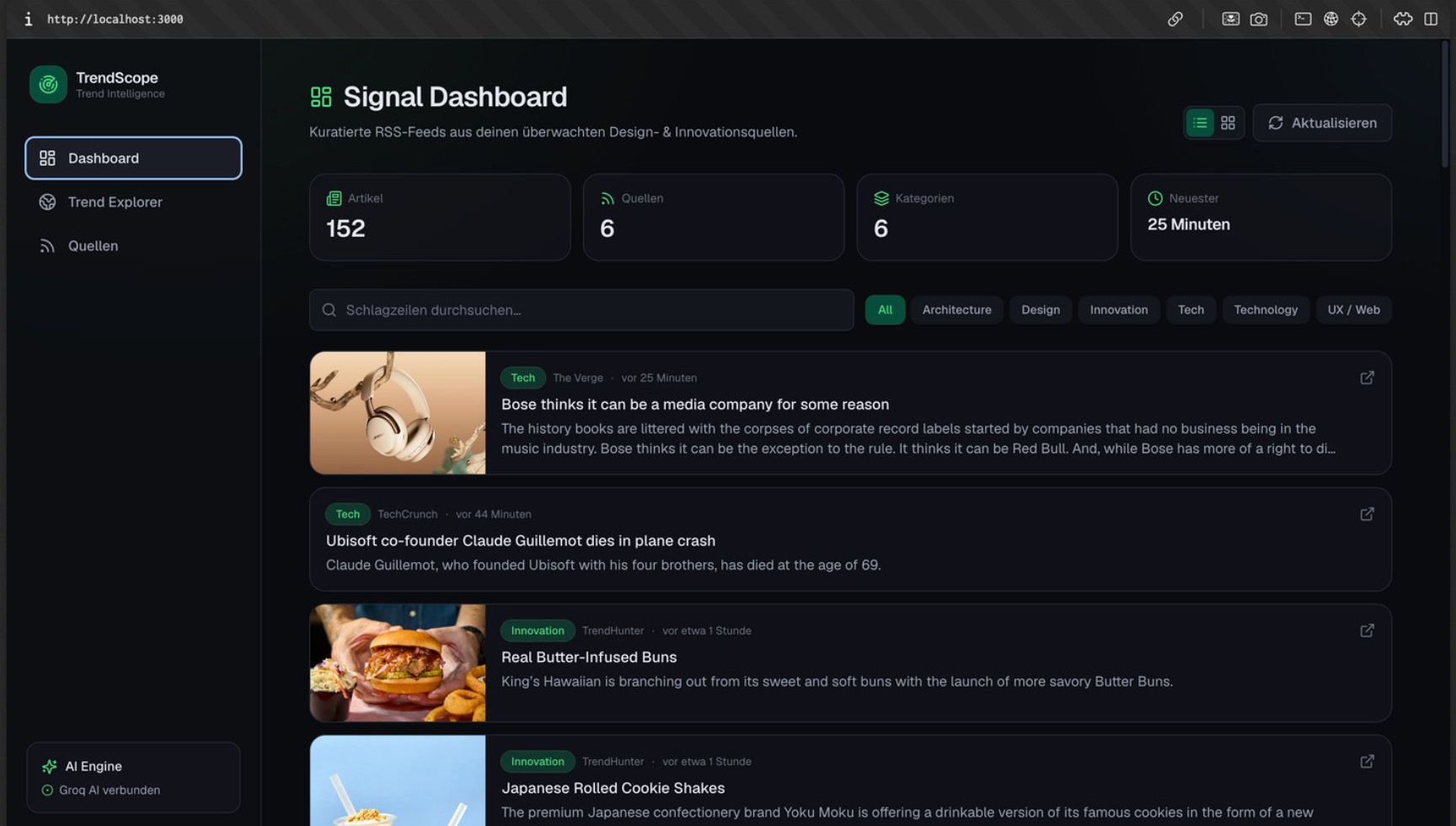
Signal Dashboard. A curated RSS feed built from self-selected sources. Every article lands in one chronological stream — filtered by category, fully searchable. No algorithm, no ads, no noise.
Trend Explorer. One keyword is enough — a concept, a material, a movement — to launch an AI-assisted trend analysis built on Google Trends.
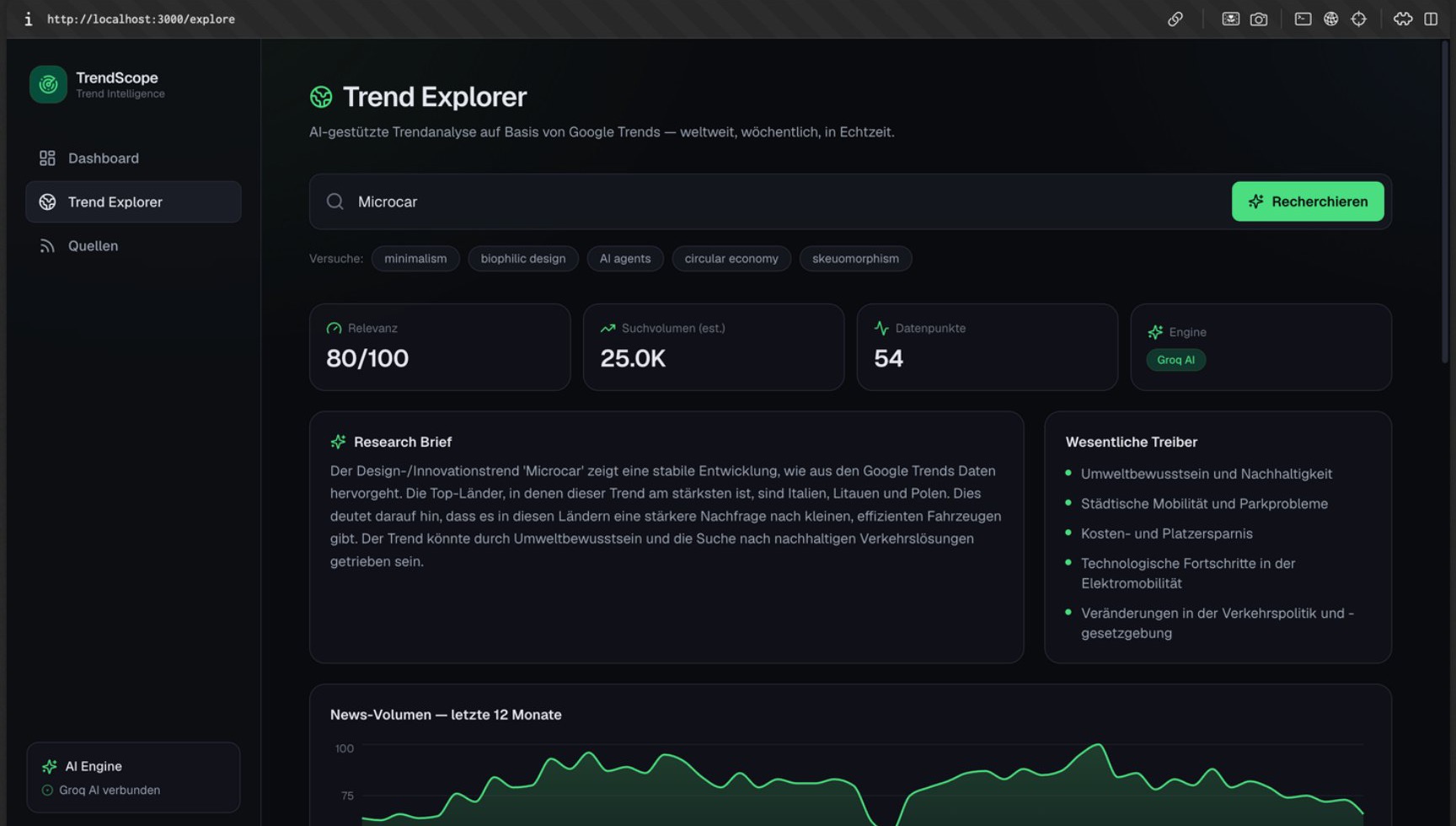
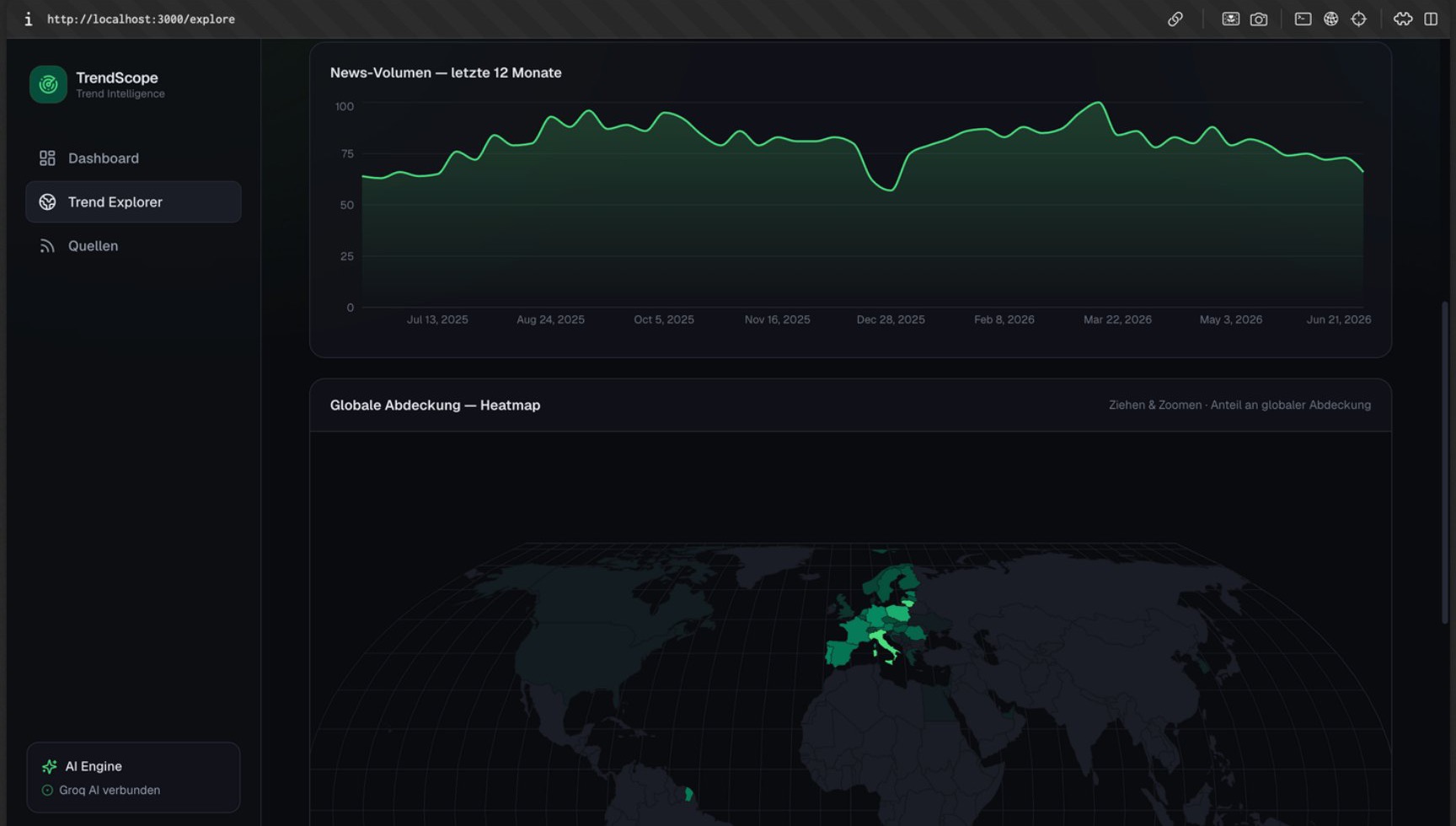
Research Brief. An AI engine reads the trend and frames it: a relevance score, estimated search volume, the driving forces behind it and the countries where it runs strongest — all on one screen.
Global Heatmap. A 12-month volume curve and an interactive, zoomable world map reveal geographic origins — and how interest spreads. Source Management keeps full transparency: add feeds directly, kept locally as JSON.
Hybrid Bag · Bike Frame × Body
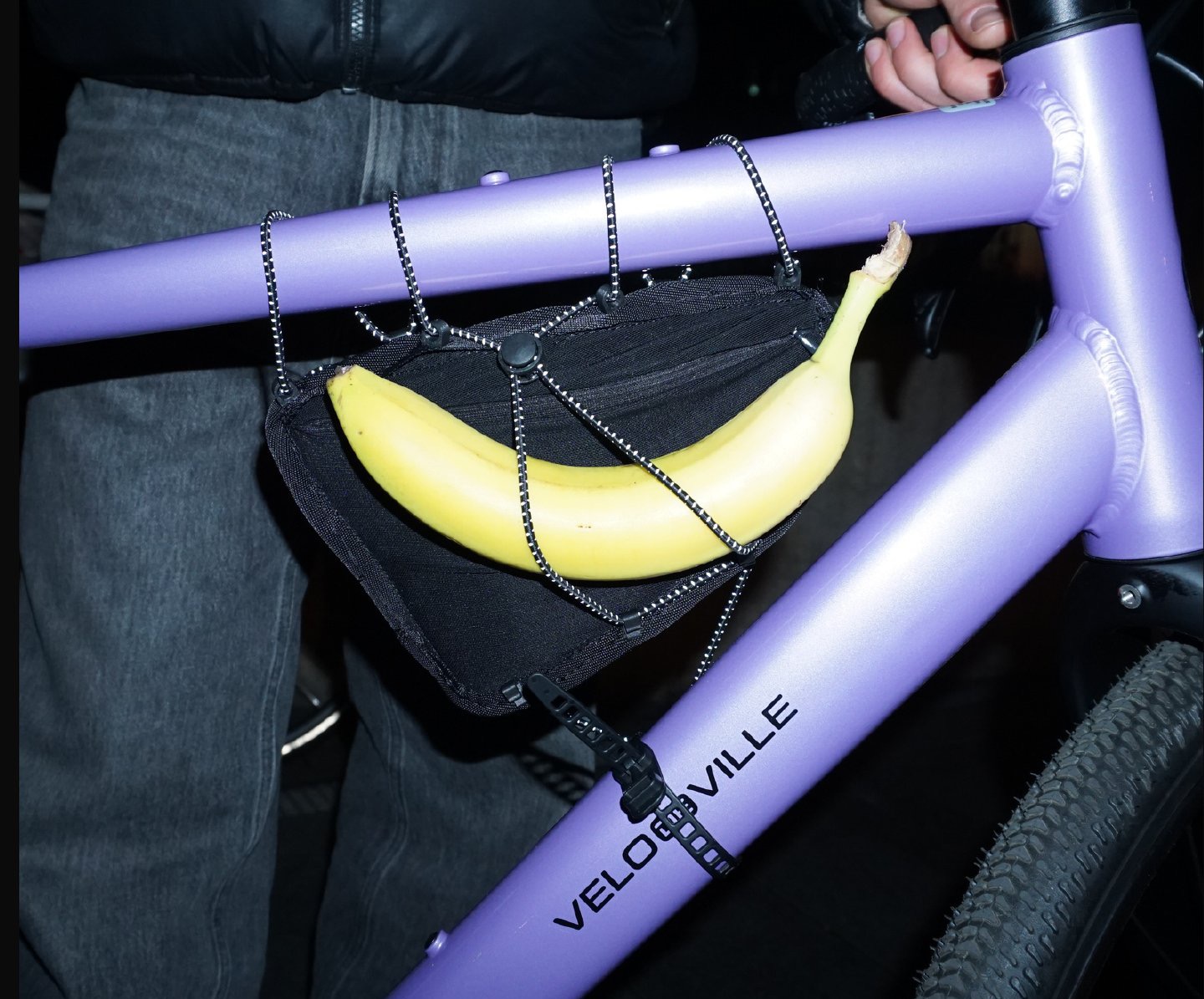
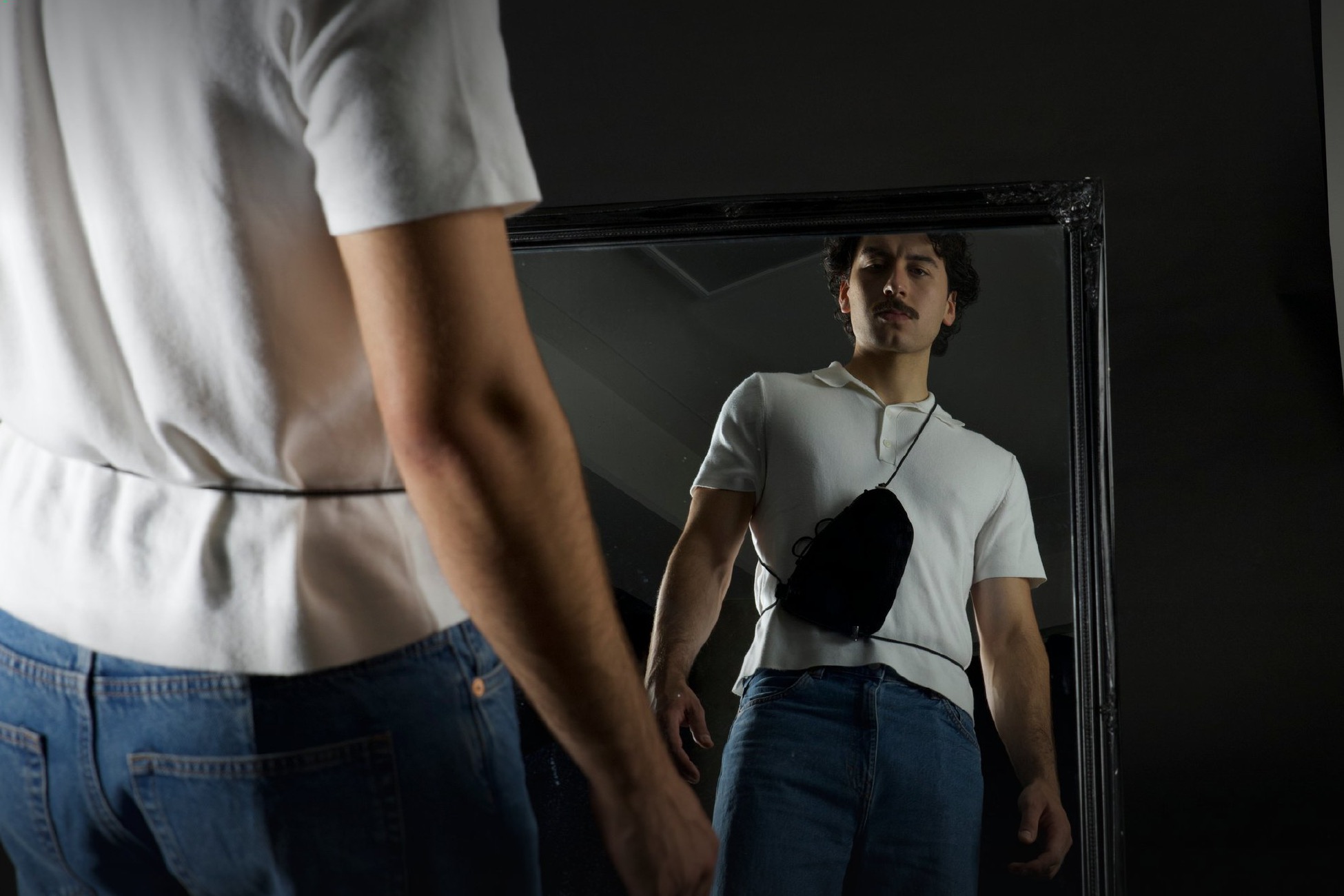
A bag that lives in two places — a slim, aerodynamic frame bag on the bike, and an elegant crossbody the moment you step off. Named after the kangaroo's pouch: never a foreign object, always part of the movement.
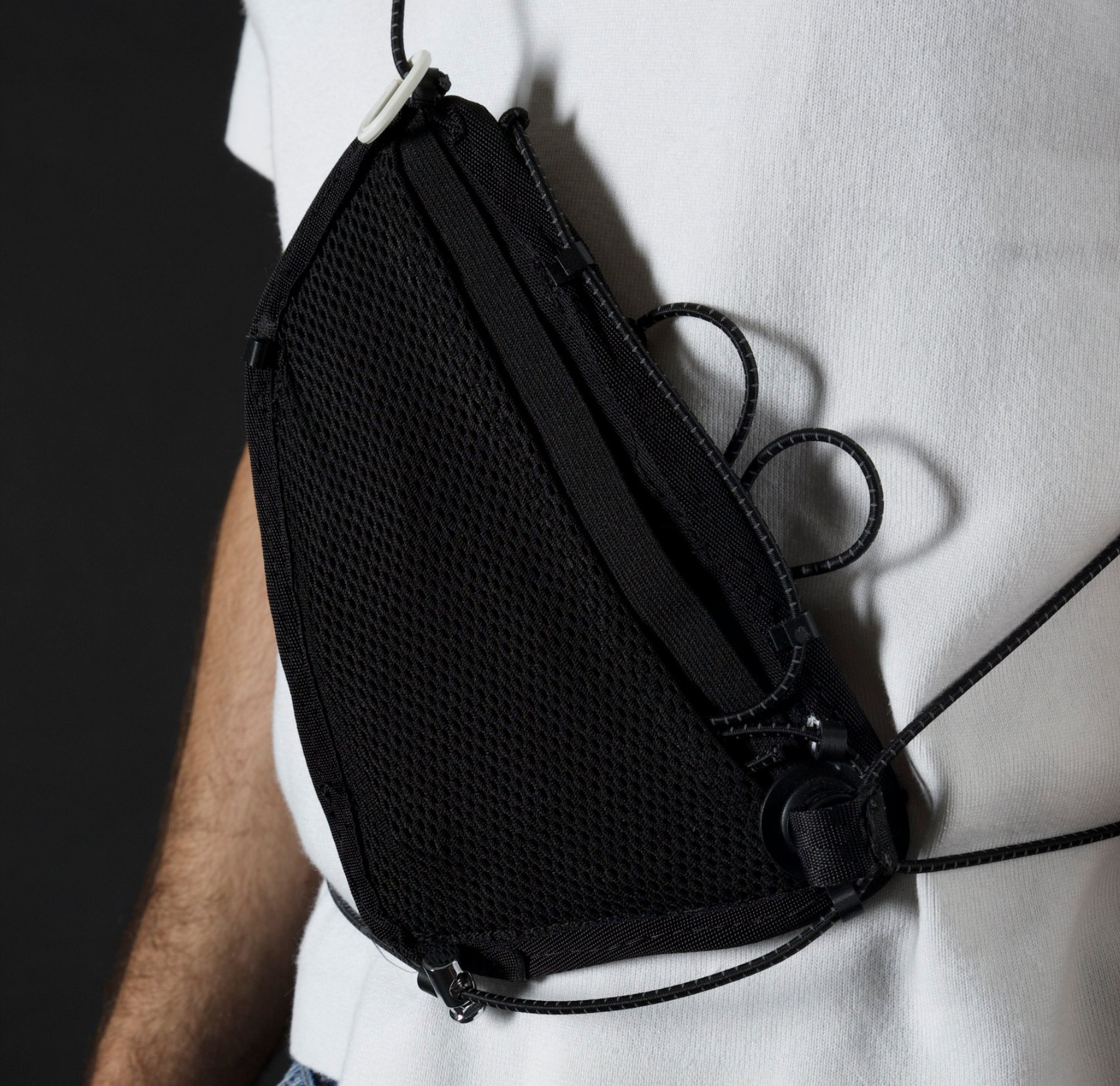
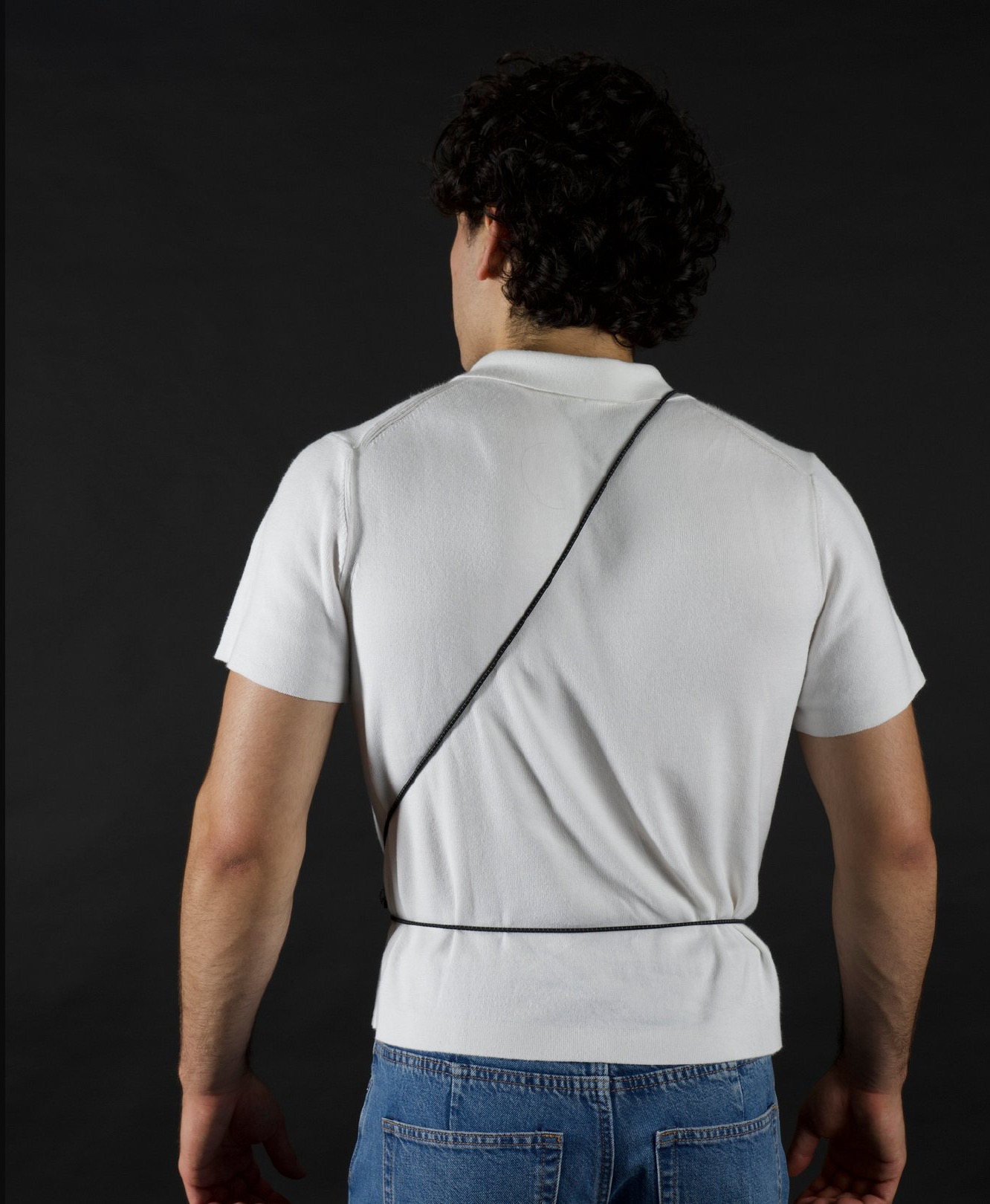
Existing solutions never fit both worlds: frame bags look bulky and bolted-on, crossbody bags swing in the way while you ride. Kangoo is one object that belongs in both.
Like a kangaroo's pouch, it should integrate organically into the way you move — on the frame ⇄ on the body alike.
A self-initiated project beyond the university brief, developed together with Emre Can Koese in an intensive eight-week sprint. We worked hands-on — prototype after prototype — until the shape and the fastening held on the frame yet felt right on the body.
The hardest problem was the coupling — effortless by hand, yet absolutely secure at speed. After many closure trials, the decision fell on a Fidlock snap system: magnetic guidance with a mechanical detent.
From a daily frustration to an award-winning proof of concept. Kangoo took 2nd place at the startup-center competition of FH Aachen — earning follow-up funding to develop the bag toward market readiness.
Bamboo Cargo Balance Bike · Process × Material
An ongoing university project, still in motion. This chapter is less about the object and more about the path to it — from a fearless idea dump, through an agent-simulated market test, to the first frame in CAD.
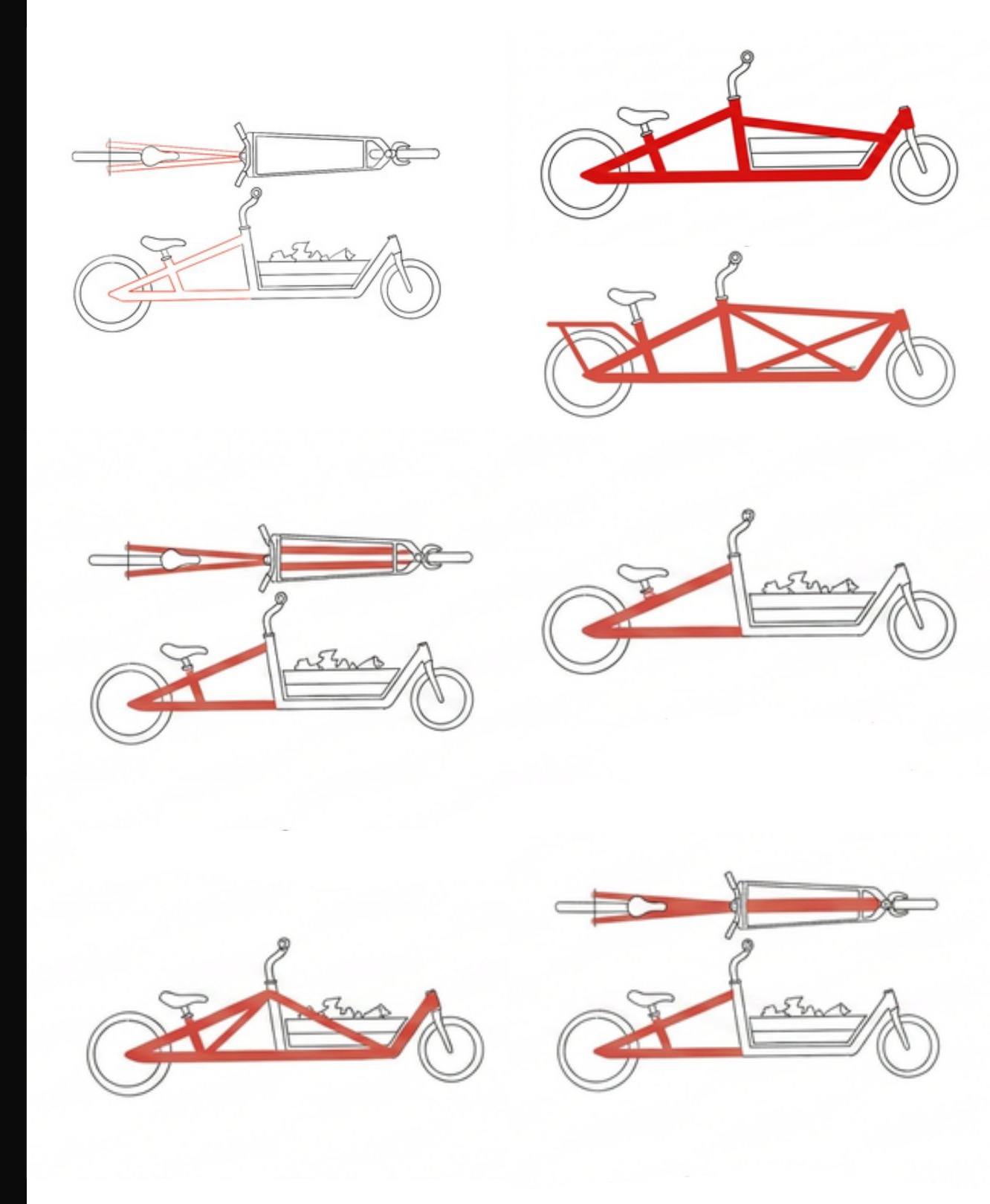
Diverge. For days, every idea that came to mind went straight onto paper — no doubt, no judgment. The only goal: to consider everything once.
Converge. Then a sober pass: anything boring or pointless was struck out, until six bamboo concepts remained — each with a defined target group and its own keywords.
No classic survey. Each idea was fed into an agent-based simulation, letting synthetic users, competitors and authorities argue it out — a market test before a single tube was cut.
Upload a brief, simulate a market of agents.
A datasheet per idea: target group, material, competitors, questions.
Users, competitors, authorities & bystanders, generated.
Agents discuss, debate and answer the questions posed.
Market analysis, pain points & market-size estimate.
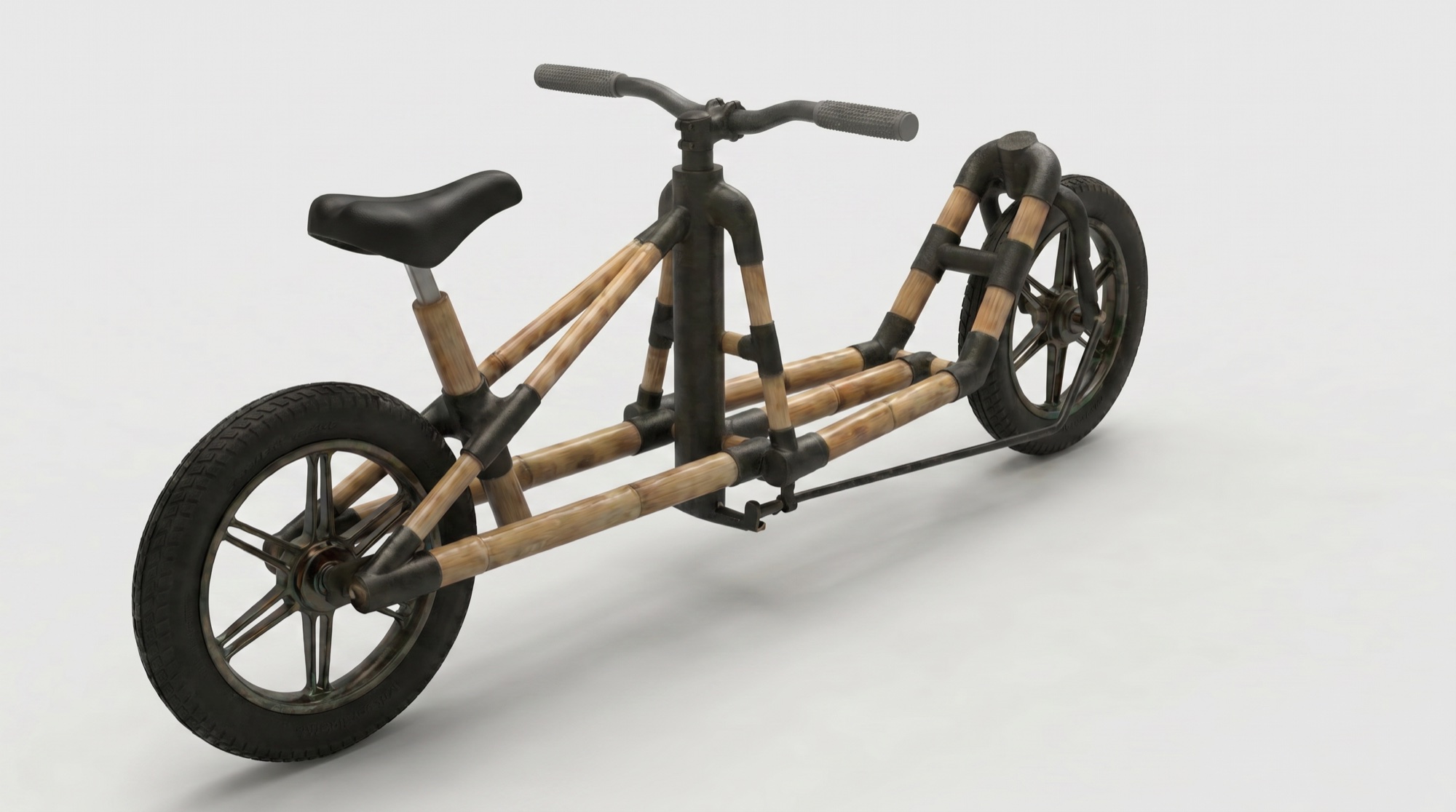
Bamboo is a remarkable material — light, yet strong. So the idea had to be one where exactly those properties matter. And small children simply don't have much strength.
From around the age of two, children copy their parents at everything. A cargo balance bike lets them ride along beside a parent's cargo bike — and that shared memory, for child and parent alike, is where the real value sits.
And isn't that what it's all about?
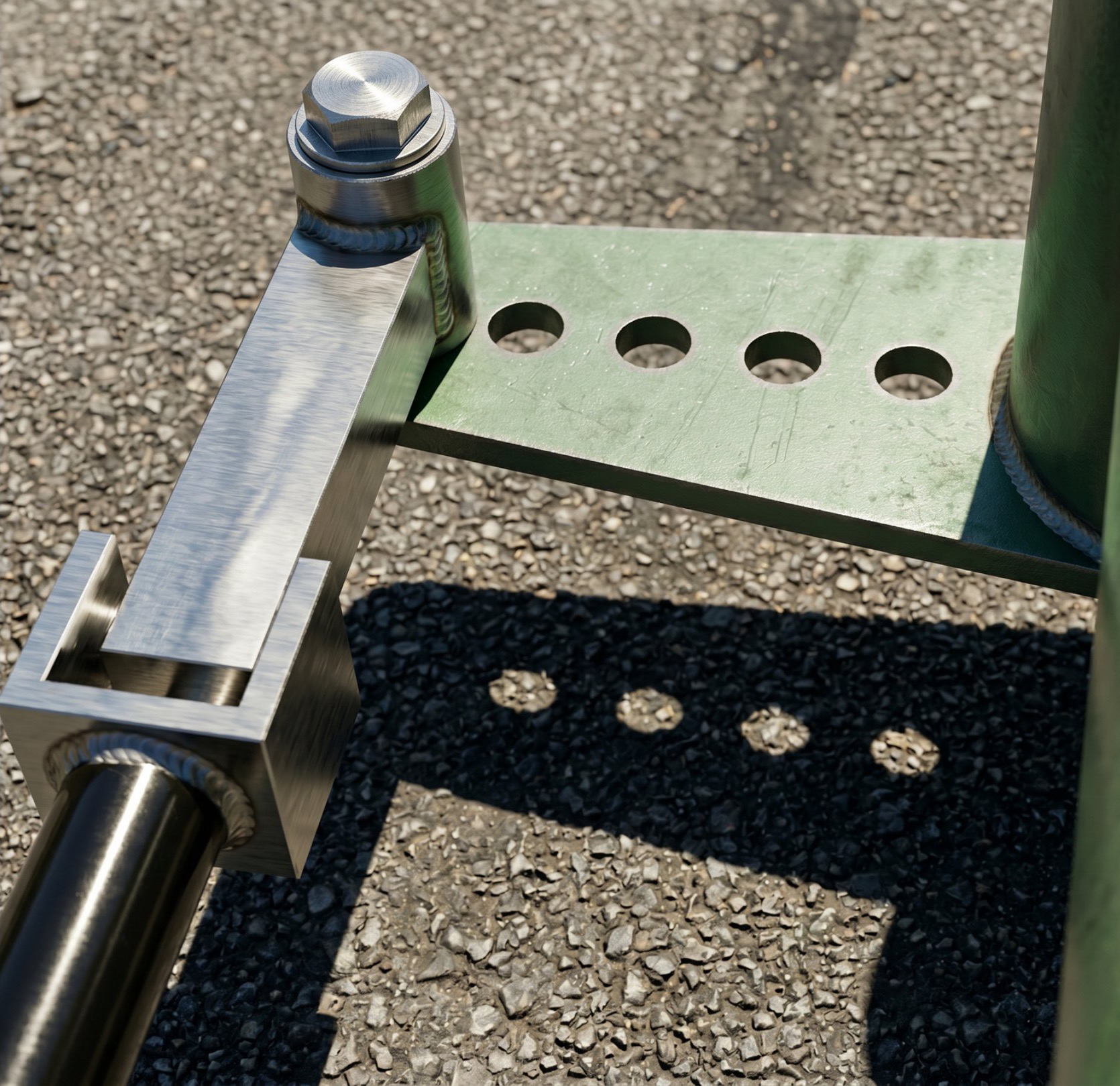
A first low-poly model in Rhino allowed proportions to be judged in VR. The bamboo-tube arrangement is now about 80% resolved — the open question is a smart solution for the steering tube and its connector. Developed with a startup from Aachen whose breakthrough is the joining technology — the very pain point that has always held bamboo back.
✦ Thanks for looking
Angaben gemäß § 5 DDG (Digitale-Dienste-Gesetz)
Leon Schaermann
Droste-Hülshoff-Allee 1
33175 Bad Lippspringe
Deutschland
Kontakt
E-Mail: l.schaermann@icloud.com
Verantwortlich für den Inhalt nach § 18 Abs. 2 MStV
Leon Schaermann (Anschrift wie oben)
Diese Website dient ausschließlich der Präsentation eigener gestalterischer Arbeiten (Portfolio). Es werden keine Waren oder Dienstleistungen angeboten.
1 · Das Wichtigste zuerst
Diese Website ist ein privates Portfolio. Sie sammelt bewusst keine personenbezogenen Daten: keine Cookies, kein Tracking, keine Analyse- oder Statistik-Tools, keine Werbung, keine Kontaktformulare und keine Einbindung externer Schriftarten, Karten oder Skripte. Alle Inhalte (Bilder, Schriften, Code) werden ausschließlich von dieser Website selbst geladen.
2 · Verantwortlicher
Leon Schaermann · Droste-Hülshoff-Allee 1, 33175 Bad Lippspringe
E-Mail: l.schaermann@icloud.com
3 · Server-Logfiles beim Hosting-Anbieter
Diese Website wird von Vercel Inc. (USA) gehostet. Beim Aufruf verarbeitet der Hosting-Anbieter als Auftragsverarbeiter automatisch technisch notwendige Zugriffsdaten (z. B. IP-Adresse, Datum und Uhrzeit des Zugriffs, aufgerufene Seite, Browsertyp). Diese Verarbeitung dient allein der sicheren, stabilen Bereitstellung der Seite und erfolgt auf Grundlage von Art. 6 Abs. 1 lit. f DSGVO (berechtigtes Interesse). Eine Zusammenführung mit anderen Daten oder eine Auswertung zu Ihrer Person findet nicht statt. Da Vercel seinen Sitz in den USA hat, kann dabei eine Übermittlung in ein Drittland stattfinden; nähere Informationen enthält die Datenschutzerklärung von Vercel.
4 · Externe Links
Die Seite verlinkt auf externe Profile (Instagram, LinkedIn). Erst beim Anklicken gelangen Sie zum jeweiligen Anbieter, für den dessen eigene Datenschutzbestimmungen gelten. Beim Wechsel wird kein Referrer (Herkunfts-Adresse) übermittelt.
5 · Ihre Rechte
Sie haben jederzeit das Recht auf Auskunft, Berichtigung, Löschung, Einschränkung der Verarbeitung, Datenübertragbarkeit und Widerspruch (Art. 15–21 DSGVO) sowie das Recht auf Beschwerde bei einer Datenschutz-Aufsichtsbehörde.
Stand: Juli 2026